What happens during liposuction

Anesthesia Options for Liposuction

Patients undergoing liposuction have several options when it comes to anesthesia. The choice of anesthesia depends on various factors such as the patient’s medical history, the volume of fat to be removed, and the surgeon’s preference. Local anesthesia with sedation is a common option for liposuction procedures. This involves injecting a local anesthetic solution into the targeted areas to numb the region. The patient remains conscious but relaxed during the procedure. Another option is general anesthesia, which induces complete unconsciousness, enabling the patient to sleep throughout the procedure. The anesthesia type will be discussed and determined during the preoperative consultation to ensure patient comfort and safety.

In certain cases, surgeons may opt for regional anesthesia, also known as epidural anesthesia, which numbs the lower half of the body while the patient remains awake. It is commonly used for procedures targeting the lower abdomen, hips, and thighs. This option allows for pain relief during and after the surgery, enhancing patient comfort. The type of anesthesia chosen is a collaborative decision between the board-certified plastic surgeon and the patient, taking into consideration factors such as individual preference, medical history, and the specific requirements of the liposuction procedure. The expertise of the anesthesiologist plays a crucial role in administering the anesthesia and ensuring the patient’s well-being throughout the surgery.
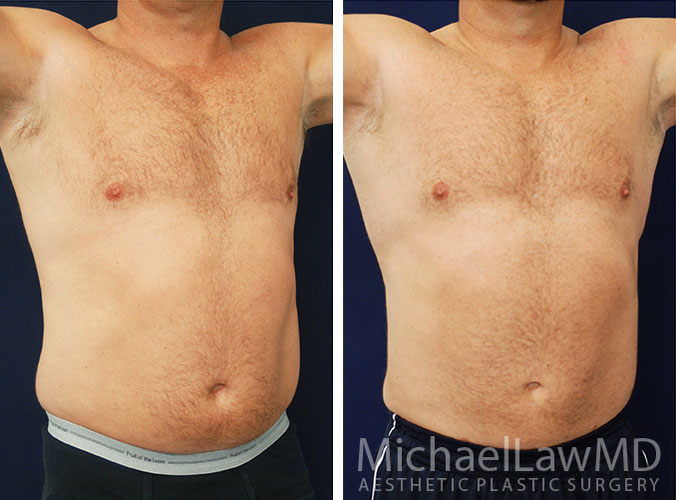
 

The Liposuction Procedure: Step by Step

Before undergoing a liposuction procedure, it is essential to understand the step-by-step process involved. Firstly, the surgeon will administer anesthesia to ensure the patient’s comfort during the surgery. This can be done through general anesthesia, which allows the patient to sleep throughout the procedure, or local anesthesia with sedation, where only the target area is numbed while the patient is still conscious.

Once the anesthesia has taken effect, the surgeon will create small incisions in strategic areas near the target site. Through these incisions, a thin cannula (a hollow tube) is inserted to break up the fat cells. The cannula is connected to a vacuum-like device, which suctions the fat cells out of the body. The surgeon carefully navigates the cannula through the targeted fat deposits, ensuring a smooth contour is achieved. The procedure is repeated as necessary to remove an appropriate amount of fat. However, it is important to note that liposuction is not intended for weight loss, but rather for the reduction of stubborn fat deposits that are resistant to diet and exercise.

Different Types of Liposuction Techniques

There are several different techniques used in liposuction procedures, each with its own unique approach to removing excess fat. One commonly used technique is called tumescent liposuction, which involves injecting a solution into the treatment area to numb the area and make fat removal easier. Another technique is ultrasound-assisted liposuction, where high-frequency sound waves are used to break up the fat cells before they are suctioned out. Laser-assisted liposuction is another option, which utilizes laser energy to liquefy the fat cells, allowing for easier removal. These different techniques provide surgeons with flexibility in tailoring the procedure to the specific needs and goals of the patient.

Target Areas for Liposuction: Where Fat Can Be Removed

Liposuction is a surgical procedure that aims to remove excess fat from specific areas of the body. It is important to note that liposuction is not a weight-loss method nor a treatment for obesity. Instead, it is designed to target stubborn areas of fat that are resistant to diet and exercise.

One common target area for liposuction is the abdomen. Many individuals struggle to lose fat in this area, especially after pregnancy or significant weight loss. Liposuction can help to reshape and contour the abdominal area, creating a flatter and more defined appearance.

Another popular target area for liposuction is the thighs. Thigh fat can be particularly stubborn and difficult to eliminate through traditional means. By removing excess fat from the inner and outer thighs, liposuction can help to create a slimmer and more proportionate leg shape.

In addition to the abdomen and thighs, liposuction can also be performed on other areas of the body such as the hips, buttocks, arms, chin, and neck. The specific target areas will vary based on individual needs and goals. It is important to consult with a qualified plastic surgeon to determine the appropriate areas for liposuction and to discuss potential risks and benefits.

Potential Risks and Complications of Liposuction

Liposuction, like any surgical procedure, carries potential risks and complications that patients should be aware of. One common risk is infection, which can occur at the incision site if proper hygiene and wound care are not followed diligently. Similarly, excessive bleeding or hematoma formation is a possibility, especially if the surgeon accidentally cuts a blood vessel during the procedure. While these risks are relatively rare, they emphasize the importance of choosing a qualified and experienced surgeon who can minimize the chances of such complications.

Another potential complication of liposuction is the development of seromas, which are pockets of fluid that gather under the skin. These can occur when lymphatic vessels are damaged during the procedure, leading to fluid leakage and subsequent accumulation. Although seromas usually resolve on their own, they may require drainage if they become large or persistent. Additionally, patients should be aware of the possibility of contour irregularities, where the skin appears uneven or lumpy after liposuction. While most cases resolve over time as the body heals, some may require additional treatment or revision surgery to achieve optimal results. Overall, it is important for individuals considering liposuction to be well-informed about these potential risks and complications, allowing them to make an informed decision and take necessary precautions.

Recovery and Post-Operative Care after Liposuction

After undergoing liposuction, it is crucial for patients to follow a proper recovery and post-operative care routine. This will aid in minimizing discomfort, reducing the risk of complications, and achieving optimal results. Immediately following the procedure, patients will be required to wear a compression garment to help control swelling and promote better healing. It is essential to wear this garment as instructed by the surgeon, ensuring it is worn consistently for the recommended duration. Additionally, patients may experience some drainage from the incision sites, which can be managed by using sterile dressings and changing them as directed by the plastic surgeon.

To aid in the healing process, it is important for patients to take prescribed medications, such as antibiotics or painkillers, as indicated. Adhering to the medication regimen will help prevent infection and address any discomfort. It is common for individuals to experience bruising, swelling, and soreness after liposuction. Applying ice packs or cold compresses to the treated areas can help alleviate these symptoms, but it is crucial to follow the surgeon’s instructions on timing and duration. Light, gentle movements and walking are encouraged to improve circulation and prevent blood clots, but strenuous activities or heavy lifting should be avoided during the initial recovery period. Following the surgeon’s advice on when to resume normal activities, such as work or exercise, is essential for a successful recovery.

Expected Results and Long-Term Benefits of Liposuction

Liposuction is a popular cosmetic procedure that aims to remove excess fat deposits from various areas of the body. While the immediate results of liposuction can be quite dramatic, it is important to have realistic expectations about the long-term benefits of this procedure.

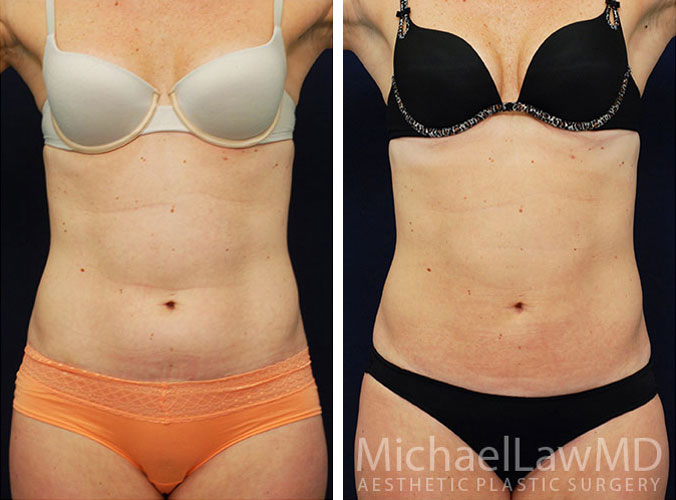
Immediately after liposuction, patients often experience a significant reduction in the treated areas, resulting in a more sculpted and toned appearance. However, it’s important to note that liposuction is not a weight loss solution, but rather a body contouring procedure. The long-term benefits of liposuction can be maintained by adopting a healthy lifestyle, including regular exercise and a balanced diet. It’s crucial to understand that without these lifestyle changes, the remaining fat cells in untreated areas can still expand, potentially leading to a less favorable outcome in the long run. Therefore, it is essential to view liposuction as a complement to a healthy lifestyle rather than a standalone solution.
How does a patient prepare for liposuction surgery?

Assessing Candidacy: Determining if Liposuction is Right for You

Before considering undergoing liposuction, it is essential to assess whether or not you are a suitable candidate for the procedure. Liposuction is not a weight loss solution but rather a body contouring technique that removes pockets of stubborn fat. Typically, ideal candidates are individuals who are close to their target weight but struggle with localized areas of fat that are resistant to diet and exercise.

One of the primary factors to consider when determining if liposuction is right for you is your overall health. A good candidate for this procedure should be in good physical health, free from any significant medical conditions that could complicate the surgery or the recovery process. Additionally, it is crucial to have realistic expectations about the results of the procedure as liposuction is not a tool for extreme weight loss.

Ultimately, the best way to assess your candidacy for liposuction is to consult with a qualified surgeon. During your consultation, the surgeon will evaluate your medical history, conduct a physical examination, and discuss your desired goals. Together, you can determine if liposuction is the right option for you and create a personalized treatment plan to help you achieve the desired body contours.

Choosing a Qualified Surgeon: Researching and Selecting the Right Professional

Researching and selecting the right surgeon for your liposuction procedure is a critical step in ensuring a successful outcome. It is important to thoroughly investigate potential surgeons to find one who is experienced, qualified, and trustworthy. Start by gathering recommendations from trusted sources, such as friends, family, or primary care physicians. Their firsthand experiences can help guide your decision-making process. Additionally, consider researching reputable medical websites and online forums for patient reviews and testimonials. These resources can offer valuable insights into a surgeon’s reputation and the quality of their work.

Once you have compiled a list of potential surgeons, take the time to thoroughly review their credentials and qualifications. Check if they are board-certified in plastic surgery or a surgical specialty related to liposuction. Board certification is an important indicator of a surgeon’s expertise and adherence to rigorous professional standards. It is also essential to confirm that the surgeon has a valid license to practice in your area. This information can usually be found on state medical board websites or through professional directories. Additionally, consider reviewing any disciplinary actions or malpractice claims filed against the surgeon, as this can provide further insight into their professional history. Ultimately, by conducting thorough research and selecting a qualified surgeon, you can greatly enhance your chances of achieving the desired results from your liposuction procedure.

Initial Consultation: What to Expect and How to Prepare

During an initial consultation for liposuction, patients can expect to have an open and honest discussion with their surgeon about their goals, expectations, and concerns. The surgeon will carefully evaluate the patient’s unique body shape and discuss the potential areas of improvement through liposuction. This consultation is an opportunity for the patient to ask any questions they may have about the procedure, recovery time, and potential risks and complications. The surgeon may also review the patient’s medical history, including any previous surgeries or medical conditions, to ensure that liposuction is a suitable option for them. Patients should come prepared for the consultation by bringing a list of medications they are currently taking, as well as any relevant medical documents or test results.

To make the most out of the initial consultation, it is important for patients to have a clear understanding of their desired outcome and realistic expectations for the procedure. They should be prepared to discuss their lifestyle, including any previous weight fluctuations or attempts at weight loss, as this can help the surgeon determine the most appropriate approach for their individual case. It is also essential for patients to openly share any concerns or anxieties they may have, as this will allow the surgeon to address them and provide necessary reassurance. Lastly, patients should feel comfortable asking the surgeon about their qualifications, experience, and success rate with liposuction procedures, as this will help establish trust and confidence in their choice of surgeon.

Pre-Surgical Evaluation: Essential Tests and Assessments

Once you have decided to undergo liposuction, a crucial step in the process is the pre-surgical evaluation. This evaluation involves a series of essential tests and assessments to ensure that you are in good health and a suitable candidate for the procedure. The purpose of these tests is to identify any potential risks or complications that may arise during the surgery or recovery period.

One of the primary aspects of the pre-surgical evaluation is a comprehensive physical examination. During this examination, your surgeon will assess your overall health, focusing on factors such as blood pressure, heart rate, and respiratory function. They may also examine your skin elasticity and the specific areas that are targeted for liposuction. Additionally, they will review any medication you may currently be taking to determine if it may interfere with the surgery or recovery process. These tests and assessments work together to ensure your safety and provide the best possible outcome for your liposuction procedure.

Medical History and Medication Review: Providing Accurate Information

During the process of undergoing liposuction, it is crucial to provide accurate information regarding your medical history and medication use. This information helps the surgeon in assessing your suitability for the procedure, as well as in determining any potential risks or complications. It is important to disclose any previous surgeries, existing medical conditions, and allergies. Additionally, informing your surgeon about any medications, supplements, or herbal remedies you are currently taking is essential, as certain medications can interfere with the surgical process and impact the effectiveness of anesthesia.

Providing accurate information about your medical history and medications allows your surgeon to make informed decisions and develop a personalized treatment plan. It helps them identify any factors that may affect the safety or success of the procedure. Honesty and transparency are key during the initial consultations and throughout the entire process, ensuring that your surgeon can take all necessary precautions and provide you with the best possible care. Always disclose any relevant medical information to ensure a successful liposuction experience and minimize potential complications.

Lifestyle Adjustments: Adopting Healthy Habits to Optimize Results

Maintaining a healthy lifestyle is essential not only for your overall well-being but also to optimize the results of your liposuction procedure. Adopting healthy habits before and after the surgery can contribute to a smoother recovery and enhance the long-term outcome. One of the most crucial lifestyle adjustments to consider is adopting a balanced and nutritious diet. Incorporating plenty of fruits, vegetables, lean proteins, and whole grains can provide the body with the essential nutrients it needs to heal and support the healing process. Additionally, drinking an adequate amount of water daily can promote hydration and help flush out toxins from the body.

Regular physical activity is another vital component of optimizing your liposuction results. Engaging in regular exercise not only helps to maintain a healthy weight but also contributes to improved blood circulation and overall body toning. Before undergoing the procedure, it is essential to consult with your surgeon on the appropriate timing to resume exercise post-surgery. Once cleared, gradually incorporating low-impact activities such as walking or light cardio can help stimulate the healing process and prevent complications. Remember to listen to your body and avoid strenuous exercises that may strain the treated areas during the initial stages of recovery.

Pre-Operative Instructions: Guidelines to Follow Before the Surgery

Before undergoing liposuction surgery, it is important to follow certain pre-operative instructions to ensure a successful procedure. Firstly, your surgeon will provide you with guidelines regarding dietary restrictions. Typically, you will be advised to avoid eating or drinking anything for a specified period of time prior to the surgery. This step is important as it helps to minimize the risk of complications during the procedure.

In addition to dietary restrictions, you may also be instructed to refrain from taking certain medications or herbal supplements in the weeks leading up to the surgery. This is because certain medications and supplements can interfere with the body’s natural clotting ability, increasing the risk of excessive bleeding during the procedure. To ensure your safety, it is important to inform your surgeon about all the medications and supplements you are currently taking during the pre-operative consultation. By adhering to these guidelines, you can help to create an optimal environment for a successful liposuction surgery.

Arranging Transportation and Support: Planning for the Day of the Procedure

On the day of your liposuction procedure, it is important to arrange transportation and support to ensure a smooth and stress-free experience. Liposuction is an outpatient procedure, meaning that you will be able to go home the same day. However, due to the use of anesthesia and the nature of the surgery, you will not be able to drive yourself home.

It is recommended to have a friend or family member available to drive you to and from the surgical facility. They can also provide valuable emotional support before and after the procedure. Make sure to provide them with all the necessary information, such as the address and contact details of the facility, as well as the scheduled time of your surgery. Additionally, consider discussing any specific instructions or post-operative care requirements with your support person, so they can be prepared to assist you during the recovery period.

Recovery Planning: Post-Surgical Care and Expectations

After undergoing liposuction surgery, it is important to carefully plan for the recovery period to ensure a smooth and successful healing process. Post-surgical care plays a crucial role in achieving optimal results and minimizing any potential complications. During this stage, patients are advised to follow the specific instructions provided by their surgeon, as these guidelines are tailored to their individual needs and goals.

One of the key aspects of recovery planning is understanding the expected timeline for healing. While the exact duration varies depending on factors such as the extent of the procedure and the patient’s overall health, most individuals can anticipate some level of swelling, bruising, and discomfort in the initial days following surgery. It is important to keep in mind that everyone’s recovery is unique, and patience is essential. As the days and weeks progress, patients can gradually expect these symptoms to subside, revealing the improved body contour that was achieved through the procedure.

Schedule a Consultation

Dr. Michael Law, a certified plastic surgeon, was raised in Raleigh, his father, Reverend Thomas Law, having been the pastor at St. Paul’s Christian Church for three decades. Dr. Law’s education started at Broughton High School before he pursued further studies at the University of North Carolina at Chapel Hill. Here, he achieved an Honor’s Bachelor of Science degree and was recognized as part of Phi Beta Kappa. His medical degree was obtained from Emory University, where he graduated second in his class of over 100 future doctors, securing the prestigious magna cum laude.

Is liposuction a weight loss procedure

The Science Behind Liposuction: Exploring How Fat Removal Works

Liposuction is a popular surgical procedure designed to remove excess fat from specific areas of the body. It is often sought after by individuals looking to achieve a more contoured and sculpted appearance. So, how does liposuction work? The science behind this procedure involves the use of a thin, hollow tube called a cannula, which is inserted through small incisions in the skin. The cannula is then connected to a vacuum-like device that suctions out the unwanted fat cells from the targeted area. This method allows for precise fat removal, enabling surgeons to create smoother body contours and enhance overall appearance.

The science behind liposuction revolves around the concept of fat cell removal. Fat cells, also known as adipocytes, are found beneath the skin and can accumulate in certain areas, leading to unwanted bulges and pockets of fat. During the procedure, the cannula breaks up the fat cells, creating tiny tunnels, and then suctions them out. It is important to note that liposuction is not a weight loss solution but rather a body contouring technique. While it can remove significant amounts of fat, it is not meant for overall weight reduction. Understanding the science behind liposuction allows individuals to appreciate the precision and skill required to achieve the desired results and to set realistic expectations for the procedure.

Setting Realistic Expectations: Liposuction as a Body Contouring Procedure

Liposuction is a popular cosmetic procedure that aims to improve body contouring by removing excess fat deposits. It is essential, however, to set realistic expectations when considering liposuction as a body contouring procedure. While liposuction can indeed help reshape and sculpt certain areas of the body, it is not a method for overall weight loss. It is important to understand that liposuction is primarily designed to address localized fat deposits that are resistant to diet and exercise.

It is crucial to have a clear understanding of what liposuction can and cannot achieve. Liposuction can be effective in refining specific areas such as the abdomen, hips, thighs, arms, and neck, among others. It can enhance body contours and create a more streamlined appearance. However, it should not be seen as a solution for significant weight loss or as a substitute for a healthy lifestyle. It is essential to maintain realistic expectations and consider liposuction as a complementary procedure to a balanced diet and regular exercise routine.

liposuction surgery

Differentiating Weight Loss and Liposuction: Clarifying the Differences

Weight loss and liposuction are often used interchangeably, but it is important to understand that they are not the same. Weight loss refers to the overall reduction in body weight, usually achieved through healthy eating, exercise, and lifestyle changes. It involves losing fat, muscle, and even water weight. On the other hand, liposuction is a surgical procedure that specifically targets localized areas of stubborn fat that are resistant to diet and exercise. It is not a weight loss method, but rather a body contouring technique that aims to reshape specific areas of the body.

One key difference between weight loss and liposuction is the extent of fat reduction. With weight loss, the overall body weight decreases, and fat is lost from multiple areas. This can result in a more generalized reduction in body fat, which can lead to improved overall health and reduced risk of obesity-related diseases. In contrast, liposuction focuses on selectively removing fat from targeted areas, such as the abdomen, thighs, or love handles. It allows for precise sculpting of the body, enhancing the contours and proportions of these specific areas.

The Role of Liposuction in Body Sculpting and Reshaping

Liposuction plays a significant role in body sculpting and reshaping, offering individuals a chance to achieve their desired body contours. This procedure focuses on removing stubborn and localized fat deposits from different areas of the body, such as the abdomen, thighs, hips, arms, and back. By targeting specific areas, liposuction can help create a more balanced and proportionate appearance, improving the overall shape of the body.

Body sculpting with liposuction is particularly beneficial for individuals who have struggled to get rid of stubborn pockets of fat despite following a healthy diet and exercise routine. By precisely targeting and removing excess fat, liposuction allows for sculpting and reshaping even in areas that are typically resistant to conventional weight loss methods. Whether it’s eliminating love handles, shaping the waistline, or defining the contours of the abdomen, liposuction has proven to be an effective tool in helping individuals achieve their desired body aesthetics.

Exploring Liposuction Techniques: Traditional vs. Modern Approaches

Traditional liposuction techniques have long been considered the gold standard in fat removal procedures. This method, also known as suction-assisted liposuction (SAL), involves the insertion of a cannula through small incisions in the skin to physically break up and suction out excess fat. The technique has been refined over the years, with advancements in the size and design of the cannulas used, as well as the addition of tumescent fluid to make the procedure less invasive and more comfortable for patients. Traditional liposuction remains an effective option for those looking to target specific areas of stubborn fat and achieve noticeable body contouring results.

In recent years, however, modern approaches to liposuction have emerged, offering alternative methods for fat removal. One such technique is laser-assisted liposuction, which utilizes laser energy to melt and liquefy fat cells before they are gently suctioned out. This approach is often preferred for delicate areas, such as the neck or chin, where precision and minimal trauma are of utmost importance. Another modern technique gaining popularity is ultrasound-assisted liposuction, which uses high-frequency sound waves to disrupt fat cells, making them easier to remove while minimizing damage to surrounding tissues. These newer techniques aim to provide patients with less invasive options and shorter recovery times, promising similar results to traditional liposuction with potentially reduced discomfort and downtime.

Who Is an Ideal Candidate for Liposuction? Assessing Eligibility Factors

When considering liposuction as an option for body contouring and fat removal, it is important to assess the eligibility factors to determine if an individual is an ideal candidate for the procedure. One key factor to consider is overall health. In order to undergo liposuction, a person should generally be in good physical health, without any chronic medical conditions that could pose complications during or after the surgery. Additionally, it is important to assess the individual’s body weight. Liposuction is not intended for significant weight loss; instead, it is most effective for individuals who are at a stable weight but have stubborn areas of fat that are resistant to diet and exercise.

Another important consideration is the individual’s expectations and goals. Liposuction is not a magical solution for achieving a perfect body, but rather a tool for body sculpting and reshaping. It is crucial for candidates to have realistic expectations about the potential outcomes of the procedure, understanding that it can improve body contours but may not completely eliminate all fat deposits. The candidate should also have a clear understanding of the risks and potential complications associated with liposuction, as well as the commitment required for the recovery process and maintaining the results long-term.

Considerations Before Undergoing Liposuction: Health, Lifestyle, and Goals

Before undergoing liposuction, it is important to consider various factors related to your health, lifestyle, and goals. First and foremost, you should have a thorough discussion with your doctor about your overall health condition. Liposuction is generally not recommended for individuals with certain health issues, such as heart disease, diabetes, or a weakened immune system. It is crucial to disclose any medical conditions you may have and provide your doctor with a comprehensive medical history to ensure that liposuction is safe for you.

Additionally, your lifestyle plays a significant role in the success of liposuction. It is important to have realistic expectations and understand that liposuction is not a substitute for a healthy lifestyle. While it can help contour your body and remove stubborn fat deposits, it is essential to adopt healthy habits such as maintaining a balanced diet and engaging in regular exercise to ensure long-term results. Liposuction should be viewed as a supplement to a healthy lifestyle rather than a standalone solution.

The Recovery Process: What to Expect After Liposuction Surgery

After undergoing liposuction surgery, the recovery process is a crucial phase for patients to achieve the desired results. It is important to understand that recovery experiences may vary depending on individual factors, such as the extent of the procedure and the patient’s overall health. Immediately following the surgery, patients can expect to wear compression garments to reduce swelling and support the healing process. These garments help to minimize bruising and maintain the shape of the newly contoured areas. Additionally, some patients may require the use of drains to remove excess fluid from the treatment areas. During the initial stages of recovery, it is common to experience some discomfort, swelling, and bruising. Pain medication and anti-inflammatory drugs may be prescribed to manage any discomfort. Ensuring proper rest and following post-operative care instructions provided by the plastic surgeon are vital to aid in the healing process. As the weeks progress, patients will notice a gradual improvement in the appearance of treated areas, but it is important to have realistic expectations as final results may take several months to fully manifest.

Maintaining Results: Lifestyle Changes and Long-Term Success After Liposuction

Once you have undergone liposuction and achieved your desired results, it is important to maintain your new figure through lifestyle changes. While the procedure can remove stubborn fat deposits, it does not prevent future weight gain. Therefore, adopting a healthy lifestyle is crucial for long-term success. This includes incorporating regular exercise, maintaining a balanced diet, and practicing portion control.

Regular exercise not only aids in weight management but also helps to tone and sculpt your body. Engaging in activities such as cardio exercises, strength training, and flexibility exercises can promote overall fitness and improve muscle tone. Additionally, incorporating physical activities that you enjoy, such as swimming, dancing, or cycling, can make it easier to stick to a consistent routine. Remember to consult with your doctor or a fitness professional to determine the most suitable exercise plan for your specific needs and abilities.

In addition to exercise, maintaining a balanced diet is essential for preserving the results of your liposuction procedure. Aim to consume a variety of nutrient-dense foods, including fruits, vegetables, lean proteins, and whole grains. Avoid or limit the intake of processed foods, sugary snacks, and high-fat meals. It is also important to practice portion control to prevent overeating. Be mindful of your portion sizes and listen to your body’s hunger and fullness cues.

In conclusion, maintaining the results of your liposuction procedure requires making lifestyle changes and adopting healthy habits. Regular exercise, a balanced diet, and portion control are key elements to help you achieve long-term success. By incorporating these practices into your daily routine, you can enjoy the benefits of liposuction while maintaining a fit and sculpted physique.

Schedule a Consultation

Dr. Michael Law, a certified plastic surgeon, hails from Raleigh where his father, the Reverend Thomas Law, was the pastor of St. Paul’s Christian Church for three decades. Having received his early education from Broughton High School, Dr. Law further pursued his studies at the University of North Carolina at Chapel Hill. Here, he obtained a Bachelor of Science degree, graduating with honors and was honored with membership into Phi Beta Kappa. Dr. Law acquired his medical degree at Emory University, where he notably graduated magna cum laude, ranking second among a class of over 100 graduating physicians.

What makes an ideal candidate for liposuction

Factors for Consideration

When considering liposuction, there are various factors that need to be taken into consideration. Firstly, it is important to evaluate your overall health and lifestyle. Liposuction is not a substitute for weight loss or a healthy diet, and it is crucial to have realistic expectations about the outcomes. Additionally, factors such as age and skin elasticity can play a role in determining the success of the procedure.

Another factor to consider is the cost of liposuction. The price can vary depending on the area being treated, the surgeon’s experience, and the location of the clinic. It is essential to weigh the financial implications and ensure that you can afford the procedure without compromising your financial stability.

In summary, before opting for liposuction, it is crucial to consider factors such as your overall health, lifestyle, and the cost of the procedure. By evaluating these factors, you can make informed decisions and ensure that liposuction is the right choice for you.

Benefits of Liposuction

Liposuction, a popular cosmetic surgical procedure, offers several benefits for individuals seeking to reshape and contour their bodies. One of the primary advantages of liposuction is its ability to remove stubborn fat deposits that do not respond to diet and exercise. This procedure can effectively target areas like the abdomen, thighs, hips, arms, back, and more, helping individuals achieve a slimmer and more proportionate physique.

Additionally, liposuction can provide a significant boost to one’s self-confidence and body image. Many individuals struggle with excess fat deposits that make them feel self-conscious and unhappy with their appearance. By eliminating these unwanted fat cells, liposuction can enhance body contours and improve overall aesthetic appeal, helping individuals feel more comfortable and confident in their own skin. This boost in self-esteem can have a positive impact on various aspects of a person’s life, from personal relationships to professional success.

Preparation for Liposuction

To prepare for liposuction, it is important to follow a few steps to ensure a successful procedure. Firstly, it is vital to schedule a consultation with a qualified and experienced plastic surgeon. During this consultation, the surgeon will evaluate your overall health, discuss your medical history, and perform a physical examination to determine your eligibility for the procedure. They will also listen to your expectations and goals to tailor the liposuction technique to your specific needs.

Once you have consulted with the surgeon and decided to proceed with liposuction, there are certain pre-operative instructions that you need to follow. These instructions may include stopping the use of certain medications and supplements that can potentially interfere with the surgical process, such as blood-thinning medications and herbal supplements. In addition, the surgeon may also recommend adjusting your diet and lifestyle habits to enhance the effectiveness and safety of the procedure. Following these preparatory measures will help ensure optimal results and a smooth recovery.

liposuction raleigh nc

Medical Evaluation

During the medical evaluation for liposuction, your overall health and medical history will be thoroughly assessed. This evaluation is crucial to determine your candidacy for the procedure and to ensure your safety during the surgery. Your doctor will review any pre-existing medical conditions, previous surgeries, and any medications or supplements you are currently taking.

Additionally, your doctor may request various tests such as blood work, electrocardiogram (ECG), and a physical examination. These tests will help assess your cardiovascular health, blood clotting tendencies, and any potential risks associated with the surgery. It is important to be honest and transparent during this evaluation, as withholding or misrepresenting information could lead to complications during or after the procedure.

Body Mass Index (BMI) and Liposuction

Determining a patient’s eligibility for liposuction can involve various factors, one of which is their Body Mass Index (BMI). BMI is a measurement that relates an individual’s weight to their height and provides a rough estimate of their body fat percentage. While it is not the sole determining factor for candidacy, BMI is considered an important metric in assessing a person’s suitability for the procedure.

Liposuction is generally recommended for individuals with a BMI that falls within a certain range. This range typically includes patients who are in the overweight or mildly obese category. However, it is essential to note that each patient’s case is unique, and the decision for liposuction candidacy should be made in consultation with a qualified and experienced plastic surgeon. They will take into account additional factors such as the distribution of fat deposits, the patient’s overall health, and their specific aesthetic goals to determine whether liposuction is an appropriate option.

Healthy Lifestyle and Liposuction

One important aspect to consider when thinking about undergoing liposuction is the importance of maintaining a healthy lifestyle. While liposuction can help remove stubborn fat deposits, it is not a substitute for proper diet and exercise. It is crucial to understand that liposuction is not a magical solution for weight loss or a way to achieve a perfectly sculpted body without any effort. Instead, it should be seen as a complementary procedure to a healthy lifestyle, helping individuals achieve their desired body contour while they continue to make healthy choices.

A healthy lifestyle involves adopting and maintaining habits that support overall well-being. This includes regular physical activity, consuming a balanced diet, managing stress, getting adequate sleep, and avoiding unhealthy habits such as smoking and excessive alcohol consumption. By incorporating these habits into daily life, individuals can not only enhance the results achieved through liposuction but also improve their overall health and well-being in the long run. It is important to consult with a healthcare professional to develop a tailored plan that addresses specific needs and goals, ensuring that the benefits of liposuction are maximized and sustained over time.

Target Areas for Liposuction

Liposuction is a popular surgical cosmetic procedure that aims to contour and reshape specific areas of the body. There are several target areas commonly addressed with liposuction, each with their unique considerations and outcomes. One common target area for liposuction is the abdomen, which often accumulates stubborn fat deposits resistant to diet and exercise. Liposuction in the abdominal area can help create a flatter and more defined midsection, resulting in a more proportionate silhouette.

Another common target area for liposuction is the thighs. Many individuals struggle with excess fat in the inner and outer thighs, which can affect their overall body proportions and self-confidence. Liposuction in the thighs can effectively remove these fatty deposits, resulting in slimmer and shapelier thighs. This procedure can also help address issues such as chafing or discomfort caused by excess fat in this area.

In addition to the abdomen and thighs, liposuction can also be performed on areas such as the hips, buttocks, arms, back, and even the face and neck. However, it is crucial to note that the suitability of liposuction for each target area may vary depending on individual factors and desired outcomes. Consulting with a board-certified plastic surgeon is essential to determine the most appropriate treatment plan and target area for liposuction.

Realistic Expectations

A key aspect to consider when undergoing liposuction is having realistic expectations. It is important to understand that while liposuction can help contour and shape the body, it is not a magical solution for weight loss. Liposuction removes excess fat deposits, but it does not guarantee long-term weight loss or prevent future weight gain. It is crucial to have a clear understanding of what liposuction can and cannot achieve, to avoid disappointment or unrealistic expectations.

Furthermore, it is essential to remember that the results of liposuction are gradual and may take several weeks or even months to fully manifest. Swelling and bruising are common after the procedure, and it can take time for the body to heal and for the final outcome to be visible. Additionally, it is important to maintain a healthy lifestyle and to continue practicing good nutrition and regular exercise even after liposuction. This will help to sustain the results and ensure long-term satisfaction with the outcome of the procedure.

Post-Operative Care

After undergoing liposuction, it is crucial to follow proper post-operative care to ensure a smooth recovery process and achieve optimal results. One important aspect of post-operative care is wearing compression garments. These garments help reduce swelling, bruising, and aid in shaping the treated area. It is recommended to wear these garments as instructed by the surgeon, as they can significantly contribute to the healing process.

In addition to wearing compression garments, it is essential to follow a healthy and balanced diet post-surgery. Proper nutrition can aid in the healing process and improve overall recovery. It is advisable to consume foods that are rich in vitamins, minerals, and proteins. Staying hydrated is also crucial during the recovery period. Drinking plenty of water can help flush out toxins and maintain overall hydration levels. Additionally, avoiding alcohol and smoking is important, as these habits can not only delay healing but also increase the risk of complications.

Schedule A Consultation

Dr. Michael Law is a board-certified plastic surgeon. Dr. Law has been recognized in many “best of” polls since opening his Raleigh, North Carolina plastic surgery practice. His practice has been featured in national magazines, newscasts and television programs.

What questions should I ask before liposuction?

What are the potential risks and complications associated with liposuction?

Liposuction, like any surgical procedure, carries potential risks and complications that patients should be aware of. Common risks associated with liposuction include infection, bleeding, and adverse reactions to anesthesia. These risks can be minimized by ensuring that the procedure is performed in a sterile and controlled environment, and by following proper preoperative and postoperative care instructions. Additionally, there is a possibility of developing seromas, which are pockets of fluid that can form beneath the skin after the surgery. While seromas can sometimes resolve on their own, in some cases they may require medical intervention such as drainage.

– How can these risks be minimized or prevented?

To minimize the potential risks and complications associated with liposuction, there are several key measures that can be taken. Firstly, it is crucial to choose a highly skilled and experienced surgeon who specializes in liposuction procedures. Research their qualifications, certifications, and track record of successful outcomes. Request to see before and after photos of previous patients to get an idea of their expertise.

Another important factor for minimizing risks is proper pre-operative evaluation. It is vital that the surgeon thoroughly assesses your overall health and any underlying medical conditions that may increase the chance of complications. Openly discuss any medications, allergies, or prior surgeries with your surgeon during the consultation.

During the procedure, the use of advanced techniques, such as ultrasound-assisted or laser-assisted liposuction, can reduce the risks associated with traditional liposuction. These techniques help to liquefy the fat, making it easier to remove and reducing trauma to the surrounding tissues.

Post-operative care is equally critical in preventing complications. Follow your surgeon’s instructions closely, including wearing compression garments and taking prescribed medications. Attend all follow-up appointments to ensure proper healing and address any concerns promptly.

By choosing the right surgeon, undergoing a thorough evaluation, utilizing advanced techniques, and following post-operative instructions, the risks and complications associated with liposuction can be minimized. However, it is important to remember that no surgical procedure is entirely risk-free, and discussing potential risks with your surgeon is essential before making any decisions.

liposuction surgery raleigh

Alternative Options:

Non-surgical alternatives to liposuction may be suitable options for individuals looking to reduce unwanted body fat without undergoing a surgical procedure. One such alternative is cryolipolysis, which involves freezing the fat cells to the point of destruction. This non-invasive treatment is commonly known as “fat freezing” and has gained popularity due to its relatively low risk of complications and minimal downtime. However, it is important to note that cryolipolysis may not be as effective as liposuction in removing larger volumes of fat.

Another non-surgical alternative to liposuction is laser lipolysis, also known as laser liposuction or laser fat removal. This procedure involves using laser energy to liquefy and remove fat cells from targeted areas. While laser lipolysis is less invasive than traditional liposuction, it may not be as effective for individuals with larger deposits of fat. Additionally, it is important to consult with a qualified medical professional to determine if these non-surgical alternatives are suitable for your specific needs and goals.

– Are there any non-surgical alternatives to liposuction that may be suitable for me?

Non-surgical alternatives to liposuction have become increasingly popular in recent years as people seek less invasive methods to sculpt their bodies. One such option is CoolSculpting, a non-invasive procedure that uses controlled cooling to freeze and eliminate fat cells. CoolSculpting is a non-surgical alternative that may be suitable for individuals who are looking to target specific areas of stubborn fat without undergoing surgery. This treatment is typically well-tolerated and requires minimal downtime, making it a convenient option for those with busy lifestyles. However, it is important to note that CoolSculpting is not intended for weight loss but rather for targeted fat reduction.

Another non-surgical alternative to liposuction is laser-assisted lipolysis, also known as laser liposuction. This procedure uses laser energy to melt and liquefy fat cells, which are then removed through a small cannula. Like traditional liposuction, laser liposuction can be used to treat various areas of the body, including the abdomen, thighs, and love handles. However, it is important to mention that while these non-surgical alternatives may yield noticeable results, they may not be as effective as traditional liposuction for individuals with larger amounts of excess fat. It is crucial to consult with a qualified plastic surgeon to determine the best approach for your specific needs and goals.

– How do these alternatives compare in terms of effectiveness and safety?

The effectiveness and safety of non-surgical alternatives to liposuction vary, depending on the specific treatment being considered. One commonly used method is the use of non-surgical fat reduction techniques, such as cryolipolysis or laser therapy. These methods aim to destroy fat cells by freezing or heating them, respectively. While these treatments can provide noticeable reductions in fat, they may not be as effective as traditional liposuction when it comes to removing larger volumes of fat. In terms of safety, non-surgical alternatives generally carry fewer risks and complications compared to invasive surgery. However, it’s important to note that individual experiences can vary, and potential side effects such as temporary redness, swelling, or bruising may still occur.

Another non-surgical alternative is the use of minimally invasive procedures, such as injectable fat-dissolving agents. These substances are injected into targeted areas to break down fat, which is then naturally metabolized and eliminated by the body. While these treatments can be effective for small amounts of localized fat, they may not be suitable for larger areas or significant fat reduction. In terms of safety, injectable fat-dissolving agents can carry a risk of adverse reactions or uneven fat distribution. Therefore, it is essential to consult with a qualified medical professional to determine the most appropriate alternative option based on individual needs and desired outcomes.

Choosing a Surgeon:

The choice of a surgeon is a crucial aspect in the liposuction journey. It is essential to look for qualifications and experience when selecting a surgeon for the procedure. A qualified liposuction surgeon should have extensive training in plastic surgery, specifically in body contouring techniques. They should be board-certified and have a comprehensive understanding of the human anatomy.

Additionally, it is advisable to inquire about before and after photos of previous liposuction patients. These photographs should be a representation of the surgeon’s work and provide a clear idea of their skills and results. Examining these images can help you assess the surgeon’s aesthetic approach and determine if their style aligns with your personal goals and preferences. Remember, choosing a surgeon is a significant decision, so it is crucial to do thorough research and ask any questions you may have during the consultation process.

– What qualifications and experience should I look for in a liposuction surgeon?

When considering a liposuction surgeon, it is vital to scrutinize their qualifications and experience. Look for a surgeon who is board-certified by a recognized plastic surgery organization. This certification ensures that the surgeon has undergone comprehensive training and has met the strict standards of the organization. Additionally, consider the surgeon’s level of experience in performing liposuction procedures. Ask how many liposuctions they have performed and inquire about any complications or adverse events that may have occurred. A surgeon with a substantial amount of experience can provide peace of mind, as they have likely encountered a variety of cases and possess the necessary skills to handle different situations that may arise during the procedure.

– Can you provide before and after photos of previous liposuction patients?

Surgeons who specialize in liposuction procedures often maintain a collection of before and after photos of their previous patients. These photos can be a valuable resource for individuals who are considering undergoing the procedure themselves. Not only do they provide a visual representation of the potential results, but they can also help patients manage their expectations and make informed decisions about their own personal goals. These photos showcase the surgeon’s skills and expertise, allowing patients to see the transformation that can be achieved through liposuction.

Before and after photos offer a glimpse into the potential outcomes of liposuction, providing a visual demonstration of the procedure’s effectiveness. They highlight the dramatic changes in body contouring and help patients envision the possibilities for their own desired results. By reviewing these photos, individuals can evaluate the surgeon’s abilities and determine if their aesthetic preferences align with what has been achieved in previous cases. It is always advisable, however, to remember that each patient is unique, and results may vary. Therefore, while these photos can serve as a helpful reference, actual outcomes will depend on individual factors such as body type, skin elasticity, and overall health.

Cost and Insurance:

Liposuction is a surgical procedure that aims to remove excess fat from specific areas of the body. When considering liposuction, it is important to understand the potential cost and insurance implications. The cost of liposuction can vary widely depending on the specific procedure, the surgeon’s experience, and the geographic location. On average, the cost can range from a few thousand dollars to several tens of thousands. It’s important to keep in mind that this cost typically includes not only the surgeon’s fee but also the anesthesia, surgical facility, and post-operative care.

In terms of insurance coverage, liposuction is generally considered a cosmetic procedure and is not typically covered by insurance unless it is deemed medically necessary. In some cases, if there is a medical reason for the procedure, such as the removal of lipomas or treatment of certain medical conditions, insurance may provide some coverage. It is crucial to consult with your insurance provider to determine your coverage and any potential out-of-pocket expenses. Additionally, many surgeons offer financing options or payment plans to help make liposuction more accessible for their patients.

– How much does liposuction typically cost and what factors can

Liposuction typically comes with a price tag that can vary depending on various factors. The cost of the procedure can range from a few thousand dollars to tens of thousands of dollars. The factors that influence the cost include the geographic location of the surgeon’s practice, the extent of the desired treatment, the surgeon’s experience and reputation, and any additional fees such as anesthesia and facility costs. It is important to note that insurance typically does not cover the cost of liposuction as it is considered a cosmetic procedure. Consequently, potential patients should be prepared to cover the expenses out of pocket.

There are several ways in which individuals can make liposuction more affordable for themselves. Some surgeons offer financing options that allow patients to pay for the procedure in installments. Additionally, discussing the procedure with multiple surgeons may help in finding a price that fits within one’s budget. However, it is crucial not to compromise on the quality of care and expertise in pursuit of lower costs. It is advisable to prioritize the surgeon’s qualifications, experience, and track record of successful results rather than solely focusing on the cost when choosing a liposuction provider.

Schedule a Consultation

Dr. Michael Law is a board-certified plastic surgeon. Dr. Law is certified by the American Board of Plastic Surgery and is a member of the American Society of Plastic Surgeons.

What no one tells you about liposuction?

The Importance of Proper Evaluation: Understanding the significance of a thorough pre-operative evaluation for liposuction procedures.

A thorough pre-operative evaluation is of utmost importance before undergoing a liposuction procedure. This evaluation allows the surgeon to assess the patient’s overall health, medical history, and body composition, ensuring that they are suitable candidates for the procedure. By conducting a comprehensive evaluation, the surgeon can also determine the most effective approach for achieving the desired results.

During the evaluation, the plastic surgeon will consider factors such as the patient’s body mass index (BMI), skin elasticity, and the specific areas to be treated. This detailed assessment helps to identify any potential risk factors or underlying medical conditions that could affect the outcome of the surgery. Additionally, the evaluation allows the surgeon to set realistic expectations for the patient, providing them with a clear understanding of the potential results and any limitations that may be present.

Realistic Expectations: Managing expectations and understanding that liposuction is not a substitute for weight loss or a solution to all body issues.

Liposuction is a popular cosmetic procedure that aims to remove excess fat deposits from specific areas of the body. However, it is essential to have realistic expectations and understand the limitations of this surgical intervention. It is crucial to note that liposuction is not a substitute for weight loss or a solution to all body issues.

While liposuction can effectively remove stubborn fat pockets, it is not designed for significant weight reduction. It is best suited for individuals who are close to their ideal weight and have localized areas of fat that are resistant to diet and exercise. Liposuction can help improve body contours and achieve a more proportionate physique, but it cannot address underlying issues such as loose skin or muscle laxity. Therefore, it is essential to have realistic expectations and understand that liposuction may not provide the desired results for all body concerns.

liposuction surgery


Potential Risks and Complications: Highlighting the possible risks and complications associated with liposuction surgery.

Liposuction surgery, like any other surgical procedure, comes with potential risks and complications that individuals considering this treatment should be aware of. These risks may include infection, bleeding, and adverse reactions to anesthesia. While rare, serious complications such as blood clots, pulmonary embolism, and excessive fluid loss can also occur. It is crucial for patients to have a thorough discussion with their surgeon about these potential risks before making a decision.

Additionally, it is important to note that liposuction may result in temporary side effects such as bruising, swelling, and numbness in the treated area. These usually subside over time, but patients should be prepared for the recovery period, during which they may experience discomfort and have restrictions on physical activities. Following the surgeon’s instructions for post-operative care is essential to minimize the risk of complications and promote proper healing. Being well-informed about the potential risks associated with liposuction surgery allows individuals to make an educated decision and take necessary precautions for a successful outcome.

Post-Operative Care: The importance of following post-operative care instructions and the potential impact on the final results.

Following proper post-operative care instructions is crucial for achieving optimal results after liposuction surgery. The healing process and final outcome can be greatly influenced by how well patients adhere to these instructions. Post-operative care typically involves taking prescribed medications, wearing compression garments, maintaining a healthy lifestyle, and attending follow-up appointments with the surgeon. Failing to follow these instructions may lead to complications, prolonged healing time, and potential dissatisfaction with the final results.

Post-operative care instructions are designed to help minimize swelling, bruising, and discomfort, while also promoting proper healing and the desired aesthetic outcome. For instance, wearing compression garments helps to reduce swelling, improves blood circulation, and provides support to the treatment area. By following these instructions diligently, patients can contribute to their own recovery process and ensure that the results of their liposuction procedure are as successful as possible. It is crucial to understand that post-operative care is an integral part of the overall treatment journey and should not be neglected if one desires to achieve the best possible outcome.

Scarring and Healing Process: Discussing the healing process after liposuction and the potential for scarring.

After undergoing liposuction surgery, it is crucial to understand the healing process and the potential for scarring. The healing process typically begins immediately after the procedure, with the body gradually recovering over time. Initially, patients may experience swelling, bruising, and discomfort in the treated areas. The body then goes through a natural healing process, with the swelling gradually subsiding and the bruising fading away. In most cases, patients are advised to wear compression garments to help reduce swelling and promote proper healing. Additionally, pain medication may be prescribed to manage any discomfort during this recovery period.

While scarring is an inevitable part of any surgical procedure, the level of scarring after liposuction can vary depending on multiple factors, including the individual’s natural healing ability, the extent of the surgery, and the skill of the surgeon. Liposuction techniques have advanced over the years, leading to smaller incisions that result in less noticeable scars. However, it is essential to keep in mind that everyone’s healing process is unique, and scars can vary from person to person. It is important to follow post-operative care instructions diligently to minimize the risk of complications and promote optimal healing.

Emotional and Psychological Considerations: Exploring the emotional and psychological impact of liposuction and the importance of mental well-being.

Undergoing liposuction can have a significant emotional and psychological impact on individuals. While the procedure can improve body image and boost self-confidence, it is essential to consider the potential effects on mental well-being. It is not uncommon for individuals to have high expectations and idealized notions about the outcome of liposuction. However, it is crucial to manage these expectations and understand that liposuction is not a solution for all body issues or a substitute for weight loss.

Furthermore, individuals who undergo liposuction may experience a range of emotions during the recovery process. It is essential to prepare oneself for the physical changes, as well as the potential emotional rollercoaster that can come with it. It is not uncommon to feel a mix of excitement, anxiety, and even mild depression during the healing process. Therefore, it is crucial to have a support system in place, whether it be family, friends, or even a mental health professional who can offer guidance and support throughout the emotional journey. Prioritizing mental well-being is just as important as the physical recovery after liposuction.

Long-Term Maintenance: Understanding the need for long-term lifestyle changes to maintain the results achieved through liposuction.

Maintaining the results achieved through liposuction requires long-term lifestyle changes. After the procedure, it is important to adopt a healthy diet and exercise regularly to prevent the return of excess fat. Liposuction removes fat cells from specific areas, but it does not prevent new fat cells from accumulating if unhealthy habits persist. By committing to a balanced and nutritious eating plan, individuals can ensure that their body remains in a state of optimal health, enhancing the longevity of the liposuction results.

Regular exercise is also crucial for maintaining the results of liposuction. Engaging in physical activities not only helps to burn calories but also promotes muscle tone and overall body strength. Incorporating both cardiovascular exercises, such as jogging or swimming, and strength training exercises can help to sculpt the body and maintain a lean physique. By making exercise a part of one’s daily routine, individuals can support the long-term success of their liposuction procedure and enjoy a more sustainable and fulfilling lifestyle.

Body Proportions and Symmetry: Addressing the importance of considering body proportions and symmetry when undergoing liposuction.

When considering liposuction, it is crucial to take into account the importance of body proportions and symmetry. Liposuction is not just about removing excess fat but also about achieving a harmonious balance in the body’s contours. By addressing areas of stubborn fat that may be disrupting the overall proportions, liposuction can help create a more balanced and symmetrical appearance.

Body proportions play a significant role in a person’s perception of attractiveness and overall aesthetic appeal. When certain areas of the body contain excessive fat deposits, it can throw off the natural balance and symmetry. Liposuction can be used strategically to target these specific areas and improve the overall body proportions, creating a more visually pleasing silhouette. By considering body proportions and symmetry during the liposuction process, individuals can achieve more satisfying and aesthetically pleasing results.

Revision Procedures: Informing readers about the possibility and considerations of revision procedures after liposuction.
Every surgical procedure, including liposuction, carries the possibility of requiring a revision procedure. Despite the surgeon’s expertise and thorough evaluation, there are times when the desired results may not be fully achieved the first time around. Revision procedures aim to address any lingering concerns and enhance the overall outcome.

It is important to note that revision procedures are not always necessary after liposuction. In fact, the majority of patients are satisfied with their initial results. However, in cases where there may be uneven contouring, insufficient fat removal, or other aesthetic issues, a revision procedure can offer an opportunity to refine and perfect the outcome. Prior to undergoing a revision procedure, it is crucial to consult with your surgeon to determine the best course of action and to manage expectations regarding the final results. The decision to pursue a revision procedure should be carefully considered, and any concerns or questions should be openly discussed with your surgical team.

Alternatives to Liposuction: Discussing non-surgical alternatives to liposuction and their suitability for different individuals.
For individuals who are seeking body contouring options without undergoing surgery, there are non-surgical alternatives available that may be suitable for their needs. These alternatives provide a less invasive approach and often involve non-invasive technologies to target and reduce fat in specific areas of the body. Non-surgical alternatives to liposuction include treatments such as cryolipolysis, laser lipolysis, radiofrequency, and ultrasound fat reduction.

Cryolipolysis, commonly known as “fat freezing,” involves the use of controlled cooling to target and eliminate fat cells permanently. This procedure is typically performed in a clinic and requires no incisions or anesthesia. Laser lipolysis utilizes laser energy to liquefy fat cells, which are then naturally eliminated from the body. Radiofrequency and ultrasound fat reduction technologies use heat or sound waves to disrupt and reduce fat cells. It is essential to consult with a qualified professional to determine the most suitable non-surgical alternative based on individual goals and body composition.

Schedule a Consultation

Dr. Michael Law is certified by the American Board of Plastic Surgery and is a member of the American Society of Plastic Surgeons.

What I wish I knew before liposuction

Realistic Expectations: Managing Your Liposuction Outcome

When considering liposuction, it is crucial to have realistic expectations about the outcome of the procedure. Liposuction is an excellent option for removing stubborn fat deposits that are resistant to diet and exercise. However, it is not a magical solution for weight loss or a substitute for a healthy lifestyle. Liposuction is a body contouring procedure that can enhance your body’s shape and proportions, but it is essential to understand that it cannot dramatically change your overall weight or transform your body into something completely different.

One important aspect to keep in mind when managing your liposuction outcome is the limitation of the procedure. Liposuction can only remove localized pockets of fat; it cannot tighten loose or sagging skin. If you have poor skin elasticity or significant skin laxity, it is important to have a realistic expectation that liposuction alone may not provide the desired results. In such cases, your surgeon may recommend additional skin tightening procedures such as a tummy tuck or body lift to achieve optimal contouring outcomes. Communication with your surgeon about your goals and understanding the potential limitations is key to managing your expectations and ensuring satisfaction with your liposuction outcome.

Preparing for Liposuction: Essential Steps for a Successful Surgery

Having made the decision to undergo liposuction, it is crucial to properly prepare yourself for the surgery. This involves taking a series of essential steps that will contribute to the success of the procedure and aid in your recovery. One of the first steps is to schedule a consultation with a reputable and experienced surgeon. During this consultation, the surgeon will evaluate your overall health, discuss your goals and expectations, and determine if liposuction is the right option for you. Additionally, they will provide you with detailed information about the procedure, including the risks and potential complications.

Once you have chosen your board-certified plastic surgeon and been deemed a suitable candidate for liposuction, it is necessary to follow any pre-operative instructions provided by both the surgeon and the surgical facility. These instructions may include avoiding certain medications, stopping smoking, and adjusting your diet and exercise routine. It is important to strictly adhere to these guidelines to minimize any potential risks and maximize the effectiveness of the surgery. Additionally, you may be asked to undergo certain pre-operative tests, such as blood work or a medical clearance examination, to ensure you are in good health and ready for the procedure. By taking these essential steps, you are setting the stage for a successful liposuction surgery.

liposuction


Anesthesia Options: What You Need to Know for a Comfortable Experience

There are different anesthesia options available to ensure a comfortable experience during your liposuction procedure. The most common option is local anesthesia, which involves numbing the specific area being treated. This allows you to remain awake during the procedure while eliminating any pain or discomfort. Local anesthesia is often combined with a tumescent solution, which helps to minimize bleeding and swelling. Another option is general anesthesia, which puts you to sleep throughout the entire procedure. This is typically recommended for more extensive liposuction surgeries or if you prefer to be completely unconscious during the process. Your surgeon will discuss the anesthesia options with you and recommend the most suitable choice based on your specific needs and preferences.

Recovery and Aftercare: Navigating the Healing Process

Recovery from liposuction is a crucial phase that requires careful attention and adherence to post-operative instructions. Immediately after the procedure, it is common to experience some swelling, bruising, and discomfort in the treated areas. To manage these symptoms, your surgeon may recommend wearing compression garments, which help to reduce swelling and promote healing. Additionally, pain medication and antibiotics may be prescribed to alleviate any pain or minimize the risk of infection. It is important to follow the prescribed medication schedule and communicate with your surgeon regarding any concerns or unexpected side effects.

As the healing process progresses, it is essential to maintain good aftercare habits. Your surgeon will provide specific instructions on how to clean and care for the incision sites, as well as any dressings or drains that may be in place. It is crucial to keep the incisions clean and dry to prevent infection. Additionally, you will be advised to avoid strenuous activities and heavy lifting for a certain period of time to allow your body to heal properly. While every individual’s healing timeline may vary, it is important to follow your surgeon’s recommendations for a smooth recovery journey.

Potential Risks and Complications: Being Aware and Prepared

Potential Risks and Complications: Being Aware and Prepared

The liposuction procedure, like any surgery, carries some inherent risks that patients should be aware of before undergoing the treatment. These risks can range from minor complications to more serious events that require medical attention. One of the most common risks associated with liposuction is infection. While surgeons take precautions to minimize the risk, it is still possible for an infection to occur at the incision sites. Symptoms of infection may include redness, swelling, and increased pain around the treated areas. It is crucial for patients to follow their surgeon’s guidelines for wound care and report any signs of infection immediately.

Another potential risk of liposuction is the formation of blood clots, also known as deep vein thrombosis (DVT). This occurs when a blood clot forms in the veins, usually in the legs, and can be life-threatening if it travels to the lungs. To reduce the risk of DVT, surgeons may recommend using compression garments and prescribe blood-thinning medications. It is essential for patients to inform their surgeon about any medical conditions or medications they are taking to assess the risk of blood clots accurately. While these risks may sound intimidating, understanding them and taking necessary precautions can help ensure a safe and successful liposuction experience.

Managing Pain and Discomfort: Tips for a Smooth Recovery

When undergoing a liposuction procedure, it is common to experience some degree of pain and discomfort during the recovery period. However, there are various tips and strategies that can help alleviate these unpleasant sensations and facilitate a smoother recovery process.

Firstly, it is essential to closely follow the post-operative instructions provided by your surgeon. This includes taking any prescribed pain medications as directed and following the recommended dosage. Additionally, you may be advised to wear a compression garment, which helps reduce swelling and provides support to the treated areas. It is crucial to wear this garment consistently and as instructed to optimize your comfort and aid in the healing process.

Maintaining Results: Lifestyle Changes for Long-Term Benefits

Maintaining the results of your liposuction procedure requires making lifestyle changes that support long-term benefits. One important aspect of maintaining your results is adopting a healthy and balanced diet. By incorporating more fruits, vegetables, and lean proteins into your meals, you can help manage your weight and prevent the accumulation of excess fat.

Regular exercise is another key component in maintaining your liposuction results. Engaging in physical activity not only helps burn calories but also improves muscle tone, which can enhance the appearance of your newly contoured body. Finding activities that you enjoy, such as swimming, cycling, or dancing, can make it easier to stick to a consistent exercise routine. Remember, consistency is paramount when it comes to reaping the long-term benefits of liposuction.

Alternative Options to Liposuction: Exploring Non-Invasive Body Contouring Methods

Non-invasive body contouring methods have gained popularity as alternative options to liposuction. These procedures offer individuals a way to achieve their desired body shape without undergoing surgery. One such method is CoolSculpting, which uses controlled cooling to freeze and destroy fat cells. This treatment is non-surgical and requires no downtime, making it an attractive option for individuals with busy lifestyles. Another popular non-invasive body contouring method is laser lipolysis, also known as laser liposuction. This procedure uses laser energy to liquefy fat cells, which are then naturally eliminated by the body. Laser lipolysis is minimally invasive and produces noticeable results with minimal recovery time.

Schedule a Consultation

It is important to note that liposuction is not a weight-loss procedure, but rather a body contouring technique. It is best suited for individuals who are at or near their ideal weight but have stubborn areas of fat that are resistant to diet and exercise. The results of liposuction are generally permanent, as the fat cells that are removed do not regenerate. However, it is crucial for patients to maintain a healthy lifestyle to prevent the remaining fat cells from expanding and affecting the newly contoured area. Schedule a consultation with Michael Law MD today.