
Anesthesia Options for Liposuction
Patients undergoing liposuction have several options when it comes to anesthesia. The choice of anesthesia depends on various factors such as the patient’s medical history, the volume of fat to be removed, and the surgeon’s preference. Local anesthesia with sedation is a common option for liposuction procedures. This involves injecting a local anesthetic solution into the targeted areas to numb the region. The patient remains conscious but relaxed during the procedure. Another option is general anesthesia, which induces complete unconsciousness, enabling the patient to sleep throughout the procedure. The anesthesia type will be discussed and determined during the preoperative consultation to ensure patient comfort and safety.
In certain cases, surgeons may opt for regional anesthesia, also known as epidural anesthesia, which numbs the lower half of the body while the patient remains awake. It is commonly used for procedures targeting the lower abdomen, hips, and thighs. This option allows for pain relief during and after the surgery, enhancing patient comfort. The type of anesthesia chosen is a collaborative decision between the board-certified plastic surgeon and the patient, taking into consideration factors such as individual preference, medical history, and the specific requirements of the liposuction procedure. The expertise of the anesthesiologist plays a crucial role in administering the anesthesia and ensuring the patient’s well-being throughout the surgery.
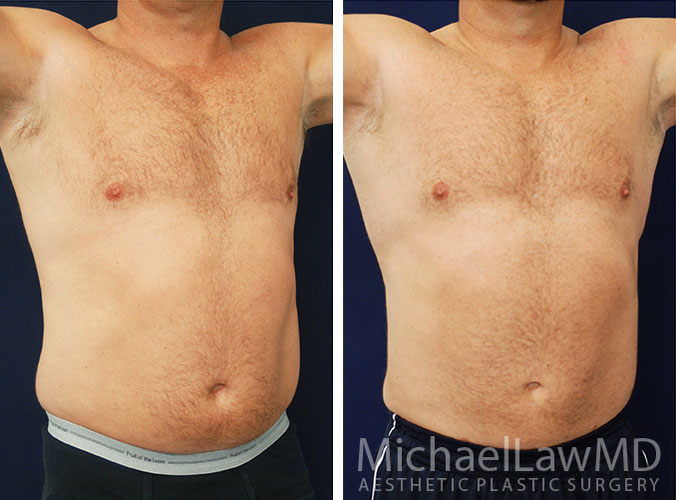
The Liposuction Procedure: Step by Step
Before undergoing a liposuction procedure, it is essential to understand the step-by-step process involved. Firstly, the surgeon will administer anesthesia to ensure the patient’s comfort during the surgery. This can be done through general anesthesia, which allows the patient to sleep throughout the procedure, or local anesthesia with sedation, where only the target area is numbed while the patient is still conscious.
Once the anesthesia has taken effect, the surgeon will create small incisions in strategic areas near the target site. Through these incisions, a thin cannula (a hollow tube) is inserted to break up the fat cells. The cannula is connected to a vacuum-like device, which suctions the fat cells out of the body. The surgeon carefully navigates the cannula through the targeted fat deposits, ensuring a smooth contour is achieved. The procedure is repeated as necessary to remove an appropriate amount of fat. However, it is important to note that liposuction is not intended for weight loss, but rather for the reduction of stubborn fat deposits that are resistant to diet and exercise.
Different Types of Liposuction Techniques
There are several different techniques used in liposuction procedures, each with its own unique approach to removing excess fat. One commonly used technique is called tumescent liposuction, which involves injecting a solution into the treatment area to numb the area and make fat removal easier. Another technique is ultrasound-assisted liposuction, where high-frequency sound waves are used to break up the fat cells before they are suctioned out. Laser-assisted liposuction is another option, which utilizes laser energy to liquefy the fat cells, allowing for easier removal. These different techniques provide surgeons with flexibility in tailoring the procedure to the specific needs and goals of the patient.
Target Areas for Liposuction: Where Fat Can Be Removed
Liposuction is a surgical procedure that aims to remove excess fat from specific areas of the body. It is important to note that liposuction is not a weight-loss method nor a treatment for obesity. Instead, it is designed to target stubborn areas of fat that are resistant to diet and exercise.
One common target area for liposuction is the abdomen. Many individuals struggle to lose fat in this area, especially after pregnancy or significant weight loss. Liposuction can help to reshape and contour the abdominal area, creating a flatter and more defined appearance.
Another popular target area for liposuction is the thighs. Thigh fat can be particularly stubborn and difficult to eliminate through traditional means. By removing excess fat from the inner and outer thighs, liposuction can help to create a slimmer and more proportionate leg shape.
In addition to the abdomen and thighs, liposuction can also be performed on other areas of the body such as the hips, buttocks, arms, chin, and neck. The specific target areas will vary based on individual needs and goals. It is important to consult with a qualified plastic surgeon to determine the appropriate areas for liposuction and to discuss potential risks and benefits.
Potential Risks and Complications of Liposuction
Liposuction, like any surgical procedure, carries potential risks and complications that patients should be aware of. One common risk is infection, which can occur at the incision site if proper hygiene and wound care are not followed diligently. Similarly, excessive bleeding or hematoma formation is a possibility, especially if the surgeon accidentally cuts a blood vessel during the procedure. While these risks are relatively rare, they emphasize the importance of choosing a qualified and experienced surgeon who can minimize the chances of such complications.
Another potential complication of liposuction is the development of seromas, which are pockets of fluid that gather under the skin. These can occur when lymphatic vessels are damaged during the procedure, leading to fluid leakage and subsequent accumulation. Although seromas usually resolve on their own, they may require drainage if they become large or persistent. Additionally, patients should be aware of the possibility of contour irregularities, where the skin appears uneven or lumpy after liposuction. While most cases resolve over time as the body heals, some may require additional treatment or revision surgery to achieve optimal results. Overall, it is important for individuals considering liposuction to be well-informed about these potential risks and complications, allowing them to make an informed decision and take necessary precautions.
Recovery and Post-Operative Care after Liposuction
After undergoing liposuction, it is crucial for patients to follow a proper recovery and post-operative care routine. This will aid in minimizing discomfort, reducing the risk of complications, and achieving optimal results. Immediately following the procedure, patients will be required to wear a compression garment to help control swelling and promote better healing. It is essential to wear this garment as instructed by the surgeon, ensuring it is worn consistently for the recommended duration. Additionally, patients may experience some drainage from the incision sites, which can be managed by using sterile dressings and changing them as directed by the plastic surgeon.
To aid in the healing process, it is important for patients to take prescribed medications, such as antibiotics or painkillers, as indicated. Adhering to the medication regimen will help prevent infection and address any discomfort. It is common for individuals to experience bruising, swelling, and soreness after liposuction. Applying ice packs or cold compresses to the treated areas can help alleviate these symptoms, but it is crucial to follow the surgeon’s instructions on timing and duration. Light, gentle movements and walking are encouraged to improve circulation and prevent blood clots, but strenuous activities or heavy lifting should be avoided during the initial recovery period. Following the surgeon’s advice on when to resume normal activities, such as work or exercise, is essential for a successful recovery.
Expected Results and Long-Term Benefits of Liposuction
Liposuction is a popular cosmetic procedure that aims to remove excess fat deposits from various areas of the body. While the immediate results of liposuction can be quite dramatic, it is important to have realistic expectations about the long-term benefits of this procedure.
Immediately after liposuction, patients often experience a significant reduction in the treated areas, resulting in a more sculpted and toned appearance. However, it’s important to note that liposuction is not a weight loss solution, but rather a body contouring procedure. The long-term benefits of liposuction can be maintained by adopting a healthy lifestyle, including regular exercise and a balanced diet. It’s crucial to understand that without these lifestyle changes, the remaining fat cells in untreated areas can still expand, potentially leading to a less favorable outcome in the long run. Therefore, it is essential to view liposuction as a complement to a healthy lifestyle rather than a standalone solution.
